Laser therapy is used to help treat symptoms of scarring from burns and may help to improve the appearance of scars.
At the Brigham and Women’s Hospital Burn Center, we use the UltraPulse CO2 laser. This treatment is most appropriate for thick, raised scars, also known as hypertrophic scars. These result from abnormal or excessive healing. As a result, they are often red or inflamed. Hypertrophic scars may cause pain or itching. If they form over a joint, they also may limit your ability to move. For example, the scar may impair your ability to bend a joint, like your knee joint. Theses scars also may cause emotional distress when located on the face, neck, or other visible areas.
While laser treatment will not completely remove burn scars, it can help to improve functional abilities you may have lost due to scarring. You might also experience softening of your burn scars and less itching. Laser treatments may help improve the appearance of scars, but they will not completely remove them.
Brigham and Women’s Hospital offers innovative techniques to improve the appearance of scars from burns, surgical grafting, wounds, and other burn-related injuries. Our team of experts is available to evaluate your scars and create a treatment plan to help achieve your goals and expectations.
We treat all forms of scars, including:
The first step is to set up a consultation appointment with a member from our team. During this appointment, we work together with you to learn about your goals and what you’d like to achieve with laser therapy treatment. The team reviews your medical history and any symptoms you experience from your scars or grafted burn site.
If your appointment is in person, we examine the desired treatment location and take photos for your chart. We provide information packets that describe the laser treatment along with surgical consent forms. If you have a virtual visit, we ask you to submit photos prior to your appointment. This allows for a more proactive conversation about the laser treatment specific to your burn. Following your virtual visit, we send you a laser treatment information packet via email.
After your appointment, we will contact you with a surgery date for your laser treatment. This is a same-day procedure, which means you don’t stay in the hospital overnight. You need to arrange a ride home afterwards. You will have a follow-up appointment 1 week after your procedure (either virtual or in person) and then an additional follow-up appointment 1 month later. If your scar requires more than one treatment, we can talk about next steps at either of these appointments.
You may not be a candidate for this procedure if:
Other risks and discomforts involved with this laser treatment include, but are not limited to:
During pregnancy, areas of increased pigmentation frequently appear spontaneously. For this reason, laser therapy is not recommended during pregnancy. In some people who experience pigment changes, the treated area loses pigmentation and becomes a lighter color than the surrounding skin. This type of reaction tends to gradually fade away and return to normal over a period of two to four months
There are many variable conditions which influence the long-term result of laser skin treatments. Even though risks and complications occur infrequently, the risks cited are the ones that are particularly associated with these procedures. Other complications and risks can occur but are even more uncommon. Should complications occur, procedures, surgery or other treatments may be necessary. The practice of medicine and surgery is not an exact science. Although good results are expected, there is no guarantee or warranty, expressed or implied, on the results that may be obtained.
Learn more about laser treatment and UltraPulse scar treatment.
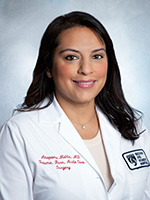
Director
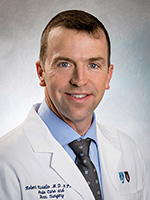
Burn Faculty
Physician Assistant
Burn Program Manager
Brigham and Women’s Burn Center: 617-525-9474